 Recovering from surgery is often just as important as the procedure itself. While the operation addresses the underlying health concern, the healing process afterward determines how quickly and safely you return to daily life.
The idea of recovery can feel overwhelming, but the right approach makes all the difference. By following medical guidance, making healthy choices, and taking advantage of rehabilitation resources, you can help your body heal efficiently and avoid setbacks. In this article, we’ll share key tips for a smoother recovery, the role of physical therapy, and how to stay safe during the healing journey.
Why Rehabilitation Matters After Surgery
Surgery places stress on the body, and recovery doesn’t happen overnight. Rehabilitation provides the structure and support needed to regain strength, mobility, and independence. It reduces complications, helps wounds heal properly, and speeds up your return to normal routines. With the guidance of doctors and physical therapists, a well-planned rehabilitation program ensures you recover safely while lowering the risk of long-term issues.
Essential Tips for Post-Surgery Recovery
1. Follow Your Doctor’s Instructions
Every surgery and every patient is different. Carefully follow your provider’s directions on medications, wound care, diet, and activity levels. Sticking to these guidelines is the foundation of safe recovery.
2. Prioritize Rest and Sleep
Your body needs energy to heal. Resting and getting consistent sleep help tissues repair, reduce inflammation, and restore strength. Allow yourself time to recover without rushing back into full activity.
3. Focus on Nutrition and Hydration
The foods you eat play a big role in healing. Protein supports tissue repair, vitamins and minerals strengthen immunity, and hydration keeps your body functioning smoothly. Aim for balanced meals with lean protein, vegetables, fruits, and whole grains.
4. Begin Gentle Movement When Cleared
Once your doctor approves, light activities such as walking can improve circulation, prevent stiffness, and lower the risk of blood clots. Over time, structured exercises through physical therapy may help rebuild strength and mobility.
5. Manage Pain Safely
Pain is a natural part of recovery, but it should be managed properly. Take medications as prescribed and ask about alternative strategies like ice packs, deep breathing, or relaxation techniques. Proper pain control helps you move more comfortably and recover faster.
Quick Tips for a Smoother Recovery
If you’re looking for a simple checklist to keep in mind during rehabilitation, focus on these essentials:
- Keep your follow-up appointments and communicate openly with your doctor.
- Take short walks (as cleared) to encourage circulation and prevent stiffness.
- Use supportive devices (pillows, braces, walkers) if recommended.
- Keep your incision area clean and dry to reduce infection risk.
- Ask for help from family or friends when lifting, driving, or doing chores.
- Celebrate small progress—every step forward is part of healing.
The Role of Physical Therapy in Recovery
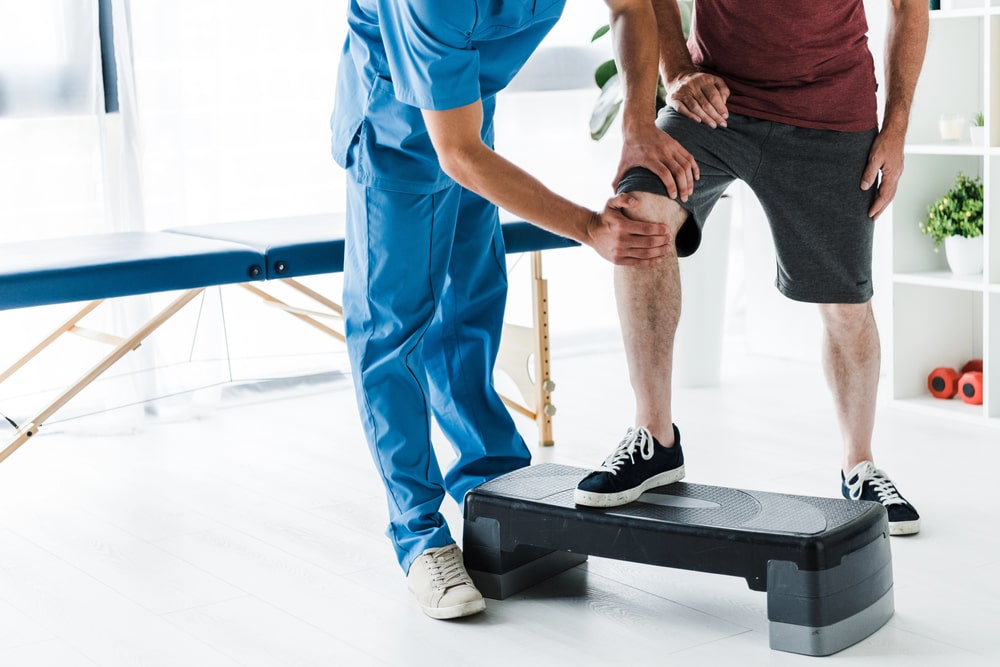
For many patients, physical therapy is an essential part of rehabilitation. A therapist can guide you through safe, targeted exercises that restore movement, balance, and flexibility. These sessions help prevent re-injury and build confidence in using the affected area. Progress may feel gradual at first, but consistent therapy often leads to long-term improvement in strength and mobility.
Safety Precautions to Avoid Setbacks
Even with a strong plan, recovery requires caution. Watch for warning signs such as fever, swelling, redness, or unexpected pain near the surgical site, and contact your doctor if they appear. Avoid pushing your body beyond its limits, as overexertion can slow healing or cause complications. Stay consistent with your rehab routine, but listen to your body and rest when needed.
Healing Is a Journey
Recovery after surgery takes time, patience, and the right support. With proper rehabilitation, you can reduce risks, heal more effectively, and regain your independence sooner. Remember that every small step counts, and progress often builds gradually.
At Navarro Medical, we’re committed to supporting patients through every stage of recovery. From follow-up care to rehabilitation guidance, our team helps you heal safely and confidently. Schedule a visit today to learn how we can support your journey back to health.